Aviation Law

Aviation Lawyers on the Gold Coast and Northern NSW


Practical legal advice for aircraft owners, pilots, operators and aviation businesses.

The aviation industry operates in a highly regulated environment where legal, operational, commercial and compliance issues often overlap. Whether you are buying or selling an aircraft, reviewing an aviation agreement, managing CASA compliance obligations, dealing with an operational issue or responding to a dispute, early legal advice can help minimise risk and protect your interests.


At CJM Lawyers, we provide practical legal advice on aviation matters to aircraft owners, pilots, operators, aviation businesses, flight schools, maintenance providers and industry professionals across the Gold Coast and Northern NSW. We assist clients to navigate regulatory requirements, commercial arrangements, business transactions, employment matters, leasing and financing issues, governance, risk management and aviation-related disputes.

We can help if you are:

Overseas employment applications or professional registration

Reviewing aviation contracts, operating agreements or commercial arrangements

Managing Civil Aviation Safety Authority (CASA) compliance, licensing, safety or operational obligations

Operating a flight school, charter operation, maintenance organisation or aviation service business

Dealing with an aviation-related employment, contractor or workplace issue

Responding to an aviation dispute, regulatory correspondence or risk management concern


Who we assist

We act for private, recreational and corporate aircraft owners, aircraft syndicates, commercial and private pilots, flight instructors, charter operators, flight schools, aircraft maintenance organisations, drone operators, aviation consultants and service providers, and businesses involved in aviation-related transactions or operations.

Our Aviation Law Services

Aviation matters often involve technical, commercial and regulatory considerations. We provide clear advice to help clients understand the legal issues, document requirements and risks before making decisions.

Aircraft purchases, sales and ownership

Buying or selling an aircraft can involve significant financial, operational and legal risk. We assist with aircraft sale and purchase agreements, due diligence, title and ownership considerations, syndicate arrangements, settlement steps and risk management advice.

Aviation regulatory compliance

Aviation operators must manage regulatory obligations across safety, licensing, operations and compliance. We assist with CASA compliance matters, regulatory correspondence, licensing issues, operational obligations, remotely piloted aircraft (drone) compliance, safety-related issues, compliance reviews, audits and risk management systems.

Commercial aviation agreements

Clear agreements help reduce uncertainty and support smoother aviation operations. We assist with charter agreements, aircraft management agreements, operating agreements, maintenance and service contracts, consultancy agreements and other aviation-related commercial arrangements.

Aviation business transactions

We advise aviation businesses on sales, acquisitions, business structuring, shareholder arrangements, succession planning, growth strategies and commercial arrangements connected to aviation operations.

Aircraft leasing and financing

Aircraft leasing and finance arrangements can involve detailed obligations for owners, operators, lenders and borrowers. We assist with lease agreements, finance arrangements, security documents, lender and borrower requirements, ownership structures and end-of-lease considerations.

Employment and workplace issues in aviation

Aviation workplaces can involve unique operational, safety and rostering considerations. We advise on employment contracts, contractor arrangements, workplace disputes, disciplinary matters, workplace policies and compliance obligations for aviation businesses and industry professionals.

Aviation disputes and debt recovery

Disputes may arise between owners, operators, contractors, service providers, customers, insurers, financiers or business partners. We assist with contractual disputes, commercial disputes, insurance-related disputes, debt recovery, regulatory disputes, negotiation, dispute resolution and litigation support where required.

Risk management and governance

Proactive legal advice can help aviation businesses identify legal, operational and compliance risks before issues escalate. We assist with governance frameworks, compliance systems, policy reviews, risk management practices and operational legal risk assessments.


Common aviation law issues we help clients avoid

Poorly drafted aircraft sale, lease, charter or service agreements

Insufficient due diligence before aircraft purchases or aviation business transactions

Unclear aircraft ownership, syndicate or financing arrangements

Regulatory oversights, CASA compliance issues or delayed responses to correspondence

Unclear operational responsibilities between owners, operators, contractors or service providers

Employment, contractor, governance or safety obligations that are not properly documented

Obtaining aviation legal advice early can help clarify obligations, reduce uncertainty and minimise the risk of costly disputes, compliance issues or operational disruption.


CJM Lawyers crest

Why choose CJM Lawyers for aviation law?

We understand the legal, operational and commercial pressures faced by aviation industry clients. Our advice is practical, commercially focused and tailored to your circumstances, whether you need one-off guidance or ongoing support for aviation operations, CASA compliance, contracts, risk management or disputes.

Aviation Law Frequently Asked Questions

Find answers to common Aviation Law questions below. Have a question not covered here? Enquire today to discuss your situation.

  • Do I need legal advice when buying an aircraft?

    There is no legal requirement to obtain advice, but it is prudent. Aircraft purchases often involve significant financial commitments, title and ownership considerations, due diligence, financing, insurance, operational requirements and contractual obligations. Legal advice before signing can help identify risks and protect your interests.

  • Can CJM Lawyers assist with aviation business transactions?

    Yes. We assist aviation businesses with sales, acquisitions, structuring, shareholder arrangements, succession planning, commercial agreements and transaction documents connected to aviation operations.

  • What should I do if I receive correspondence from CASA or another regulator?

    It is generally best to seek legal advice promptly so you can understand your obligations, response options, timeframes and potential implications before taking action.

  • Can you assist with aviation-related disputes?

    Yes. We assist individuals and businesses with aviation-related contractual disputes, commercial disputes, debt recovery, ownership issues, service provider disputes and regulatory matters.

  • Who do you act for in aviation law matters?

    We assist a broad range of aviation industry participants, including aircraft owners, pilots, operators, aviation businesses, flight schools, maintenance organisations, consultants, service providers, investors and commercial organisations.

Getting Started

If you need practical legal guidance for an aviation matter, our team is here to help. Tell us about your aircraft, business, agreement, compliance issue or dispute and we will guide you through the next steps.

1

Enquire today

Tell us about your aviation matter, including whether it relates to an aircraft transaction, CASA compliance issue, commercial agreement, business matter, employment issue or dispute.

2

We’ll book you in

Our team will review your enquiry, ask any follow-up questions if needed, and arrange for the right person to assist with your aviation law matter.

3

Meet with us

We will discuss your matter, explain your options and provide practical advice to help you understand your obligations, manage risk and move forward with confidence.

Jeffrey Lucas

Meet Jeffrey Lucas

Partner

Jeff Lucas is a private pilot based on the Gold Coast with 250 hours of flying experience. In 2026 he completed a circumnavigation of Australia in a Cessna 172 – a 14-leg, 50-flight-hour journey from the Gold Coast south and west to Perth, up the coast to Broome, then back across the north of the country to home. Jeff holds a Private Pilot Licence and is currently training towards his Commercial Pilot Licence and instrument rating.

With both legal experience and first-hand aviation knowledge, Jeff brings a practical perspective to aviation law matters. Whether you are dealing with an aircraft transaction, CASA compliance issue, aviation agreement, business matter or dispute, Jeff understands the importance of clear advice that reflects the realities of operating in the aviation industry.

The information on this page is general in nature, is current as at the date of publication and is not legal advice. It does not take into account your particular circumstances. You should obtain advice specific to your situation before acting or relying on it.

Our Latest Story

By November 2026 Edition • 5 November 2026
Whether you are preparing for Black Friday, launching an online store or selling online year-round, increased traffic and orders can expose gaps in your terms, pricing, delivery promises and returns processes. If these are unclear or inconsistent with Australian Consumer Law, your business may face complaints, chargebacks and disputes. The following areas provide a practical starting point for checking that customers can clearly understand what they are buying, the total cost, expected delivery and what happens if something goes wrong. Are Your Online Terms Clear and Easy to Find? Online terms should be available before purchase, written in plain English and clearly accepted, such as through a checkout checkbox. They should identify the seller and address orders, payments, stock, cancellations and liability without removing customers’ Australian Consumer Law rights. The appropriate wording will depend on the business’s products, sales process and risks. Are Your Discounts and Price Claims Accurate? Discount claims – including Black Friday promotions, percentage savings, “was/now” pricing, countdowns and limited-stock messages, must be accurate and supportable. New businesses should not claim a previous price unless the product was genuinely offered at that amount, while established retailers should ensure their pricing history supports the saving. Mandatory fees must be included in the total, with other charges disclosed before checkout. Do Your Returns Terms Respect Consumer Guarantees? Discounted goods generally carry the same consumer guarantee rights as full-price goods, so statements such as “no refunds on sale items” cannot exclude remedies for faulty, unsafe or misdescribed products. Returns policies should distinguish these rights from change-of-mind returns and explain how customers can request a remedy without misleading limits or conditions. Can You Meet Your Delivery and Stock Promises? High order volumes can place pressure on stock and delivery systems. Website information and fulfilment terms should use realistic estimates and reflect how the business handles delays, unavailable stock, pre-orders and damaged parcels. The appropriate approach depends on the products, delivery providers and promises made to customers. Could Any of Your Terms Be Unfair? Standard terms should not give the business broad rights while leaving customers with few protections. Clauses allowing the seller to change prices, cancel orders, substitute products or avoid responsibility without a reasonable basis may be unfair. Whether a term is fair depends on its wording, the business’s legitimate interests, its effect on the customer and the contract as a whole. Are Customer Information and Marketing Consents Handled Properly? Online sales and promotional campaigns may involve email sign-ups, abandoned-cart messages, website tracking and customer information. Businesses should check whether the Privacy Act applies and ensure relevant privacy policies explain how information is collected, used, disclosed and protected. Marketing messages, including Black Friday campaigns, must also meet applicable consent and unsubscribe requirements. What Should You Review Before the Sale Goes Live? Before launching a store or major campaign, test the customer journey from advertising to post-sale support. Ensure promotional claims, product pages, prices, stock and delivery information are accurate, and that terms, policies, communications and business processes are consistent. A legal review can identify gaps that may not be obvious internally. These issues are a starting point, not a compliance assessment. Required terms and policies depend on the business model, products, customers, sales channels and campaign promises. Tailored advice can identify the obligations and risks that apply. How CJM Lawyers Can Help CJM Lawyers can prepare ecommerce terms, returns and refund policies, privacy policies and promotional terms for new stores or review the current policies for established businesses. We also advise on Australian Consumer Law, unfair contract terms, complaints and online sales disputes. Arrange a legal health check before your next campaign to help protect your business, reduce disputes and give customers confidence to buy. Disclaimer: This article provides general information only and does not constitute legal advice. The information may not apply to your circumstances and should not be relied on as a substitute for tailored legal advice. If you need advice, please contact CJM Lawyers to speak with one of our legal professionals.
By November 2026 Edition • 5 November 2026
Running an equine business involves legal risks as well as the day-to-day care of horses and clients. Whether you operate a riding school, agistment property, breeding program, horse training business, transport service or equestrian facility, the right agreements, safety procedures and business protections can help reduce disputes and protect the people and horses in your care. The right documents and procedures will depend on how your business operates, but the following five essentials are a practical starting point for reducing uncertainty and managing common risks. 1. Written Agreements for Your Equine Business Verbal arrangements can leave important details open to disagreement. A written agreement should clearly explain the service being provided, fees and payment terms, each party’s responsibilities, cancellation or termination rights, dispute processes and what happens if circumstances change. The terms should be tailored to the business. An agistment agreement may need to address feed, veterinary treatment, emergency authority, access, overdue fees and abandoned horses. A training, sale, lease, breeding or transport agreement will involve different risks. Templates copied from another business or downloaded online may not reflect your services, location, legal obligations or unique circumstances, limiting their ability to address your specific risks. 2. Safety Policies and Risk Procedures Horses can be unpredictable, and equine workplaces may expose workers, clients, volunteers and visitors to risks including falls, kicks, bites, vehicles, machinery and unsafe facilities. Businesses should identify hazards, assess risks, implement suitable controls and review those controls regularly. Practical records may include safety inductions, safe work procedures, incident reports, emergency plans, horse suitability assessments and rules for helmets, supervision and facility use. A waiver or acknowledgement of risk, and safety signage may support this framework, but it should not be treated as a substitute for meeting work health and safety and other legal duties. It is highly recommended for equine businesses to take out appropriate insurance cover to protect their operations. Generally, your insurer will want to review copies of your agreements and safety policies and plans. We have experience working alongside clients to ensure their safety documents are compliant with those requirements. 3. Clear Employment and Contractor Arrangements Equine businesses often engage employees, casual workers, instructors, riders, farriers and other contractors. Calling someone a contractor does not necessarily make them one – the way the arrangement works in practice also matters. Since the Closing Loopholes reforms there is a statutory “whole of the relationship” test for characterising employment. If a worker is incorrectly treated as a contractor, the business may become liable for unpaid wages, leave, superannuation and penalties. Written employment or contractor agreements should set out the role, payment, hours or deliverables, use of equipment, confidentiality, intellectual property, insurance requirements and how the arrangement may end. Businesses should also keep required employment records and review whether workplace laws, awards and workers compensation obligations apply. Having your staffing arrangements assessed early can also help identify any discrepancies and potential exposure points before a claim is made or years of back-payments become due. 4. Appropriate Insurance and Asset Arrangements Insurance should be reviewed against the activities the business actually undertakes. Depending on the operation, relevant cover may include public liability, professional indemnity, workers compensation, property, motor vehicle, care, custody and control of horses, business interruption and cover for specific events or activities. Specific insurance policies can be taken out over horses themselves, and in some circumstances, you may require your clients to hold insurance over horses in your care. An overall risk assessment of your business is useful in determining which avenue is most practical for you. Business owners should understand exclusions, disclosure obligations and any conditions attached to cover. Ownership and use of valuable horses, vehicles, equipment and facilities should also be documented, particularly where assets are personally owned, leased to the business, shared with another operator or held through a separate entity. 5. Record-Keeping, Privacy and Continuity Plans Good records can be critical when a payment, injury, horse condition or service is disputed. Keep signed agreements, invoices, attendance and staff records, horse care instructions, veterinary authorities, incident reports and important communications in a secure and organised system. Equine businesses that collect personal information should check whether privacy laws apply to them. Even if an exemption is available, personal information should be collected, stored, accessed and disposed of carefully, with these practices documented in an appropriate privacy policy and, where relevant, the business’s terms and conditions. Businesses should also have a continuity or succession plan identifying who can make urgent decisions, access records, care for horses and keep the business operating if an owner or key person is unavailable. When Should These Documents Be Reviewed? Legal documents should be reviewed when the business adds a new service, changes premises, hires staff, takes on contractors, begins holding horses for clients, purchases major assets or changes its business structure. A review may also be needed after an incident, dispute or insurance change, or when legislation affecting the business is updated. How CJM Lawyers Can Help CJM Lawyers can review how your equine business operates and prepare practical legal documents tailored to your services and risks. Our equine law services include client agreements, agistment and horse-related contracts, employment and contractor arrangements, business structures, property and asset agreements, risk documentation and dispute resolution. If your equine business relies on informal arrangements, borrowed templates or documents that no longer reflect how you operate, contact CJM Lawyers to arrange a legal review. Putting the right foundations in place now may help prevent misunderstandings, protect valuable relationships and make future issues easier to manage. Disclaimer: This article provides general information only and does not constitute legal advice. The information may not apply to your circumstances and should not be relied on as a substitute for tailored legal advice. If you need advice, please contact CJM Lawyers to speak with one of our legal professionals.
By October 2026 Edition • 8 October 2026
Cash flow pressure, overdue tax and unpaid suppliers can build gradually, leaving company directors unsure whether the business is experiencing a temporary setback or may be insolvent. Recognising the warning signs and seeking advice early may preserve more options and help directors reduce their personal risk. A company is generally insolvent when it cannot pay its debts as and when they fall due. Financial difficulty does not always mean a business must close, but delays in seeking advice can reduce the restructuring options available, increase business losses and expose company directors to greater personal risk. Business Owner vs Company Director: What’s the Difference? A business owner is someone who owns all or part of a business, while a company director is formally appointed to manage a company and has specific legal responsibilities. In many small businesses, the owner is also a director, but this is not always the case – for example, a sole trader is a business owner but not a company director. Company directors are expected to stay informed about the company’s financial position and take action when warning signs emerge. Ignoring the problem or continuing to incur debts without a realistic ability to pay them may expose directors to serious consequences. Common Warning Signs of Insolvency Warning signs may include ongoing losses, poor cash flow, overdue tax or superannuation, suppliers being paid outside normal terms, increasing debt, difficulty collecting money owed to the business, reliance on personal funds, incomplete financial records, payment arrangements with selected creditors, demands or court documents and suppliers moving the company to cash-on-delivery terms. No single warning sign necessarily proves insolvency. However, directors should seek an immediate review of the company’s financial position when several signs occur together, debts cannot be paid on time or the company is relying on new borrowing or personal funds to meet existing obligations. What Are a Company Director’s Responsibilities? Company directors must understand the company’s operations and financial position, ensure proper records are kept and prevent the company from trading while insolvent. If insolvency is suspected, directors should investigate promptly and obtain appropriate accounting and legal advice. Directors should not rely solely on current bank balances. Cash flow forecasts, debts falling due, tax obligations, employee entitlements, available finance and the realistic recoverability of money owed to the company may all be relevant.  What Can Happen If a Company Trades While Insolvent? Continuing to incur debts while insolvent can lead to civil penalties, compensation claims and, in serious cases, criminal consequences. Directors may also face scrutiny over transactions made shortly before an external administration, including payments that unfairly favour one creditor or transfers that remove company assets for less than their true value. What Should Company Directors Do First? Company directors should bring the company’s financial records up to date, prepare a realistic cash flow forecast and identify debts that are already overdue or will shortly fall due. This information can help professional advisers assess whether the company can continue trading and which restructuring or external administration options may remain available. Directors should also avoid selectively paying creditors or transferring assets without advice, as those transactions may later be challenged. Professional advice should be sought before entering new commitments, using personal funds, granting security, selling assets or agreeing to arrangements that may affect creditors. Could the Business Be Restructured? Depending on the company’s circumstances, options may include informal negotiations with creditors, safe harbour planning, small business restructuring, voluntary administration or liquidation. The most appropriate pathway will depend on whether the underlying business is viable, the level and type of debt, available assets and the support of key stakeholders. Early advice is important because some options require careful planning and may no longer be available once the company has exhausted its cash or creditor support. How CJM Lawyers Can Help CJM Lawyers can advise company directors experiencing financial distress, assess legal risk, explain restructuring and external administration options and work alongside accountants and registered insolvency practitioners. We can also assist with creditor negotiations, statutory demands, court proceedings and disputes involving liquidators or company transactions. If your company is struggling to pay debts when they fall due, has overdue tax or superannuation, or is relying on personal funds to meet ongoing expenses, contact CJM Lawyers early. Timely advice may help clarify whether the company is insolvent, preserve restructuring options and reduce the risk of the situation becoming more difficult to manage. Disclaimer: This article provides general information only and does not constitute legal advice. The information may not apply to your circumstances and should not be relied on as a substitute for tailored legal advice. If you need advice, please contact CJM Lawyers to speak with one of our legal professionals.
Show More

Our Clients Say

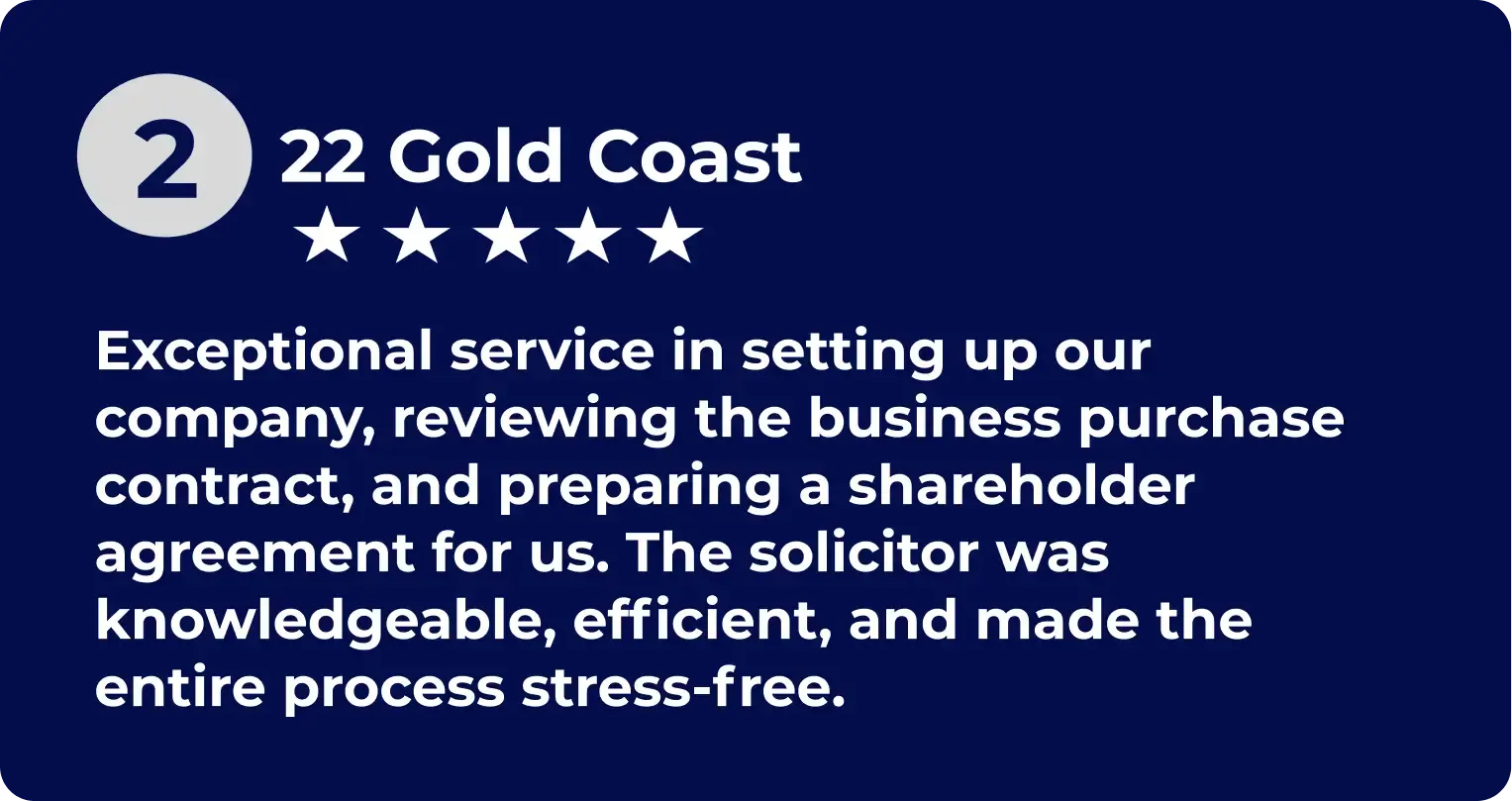
Exceptional service
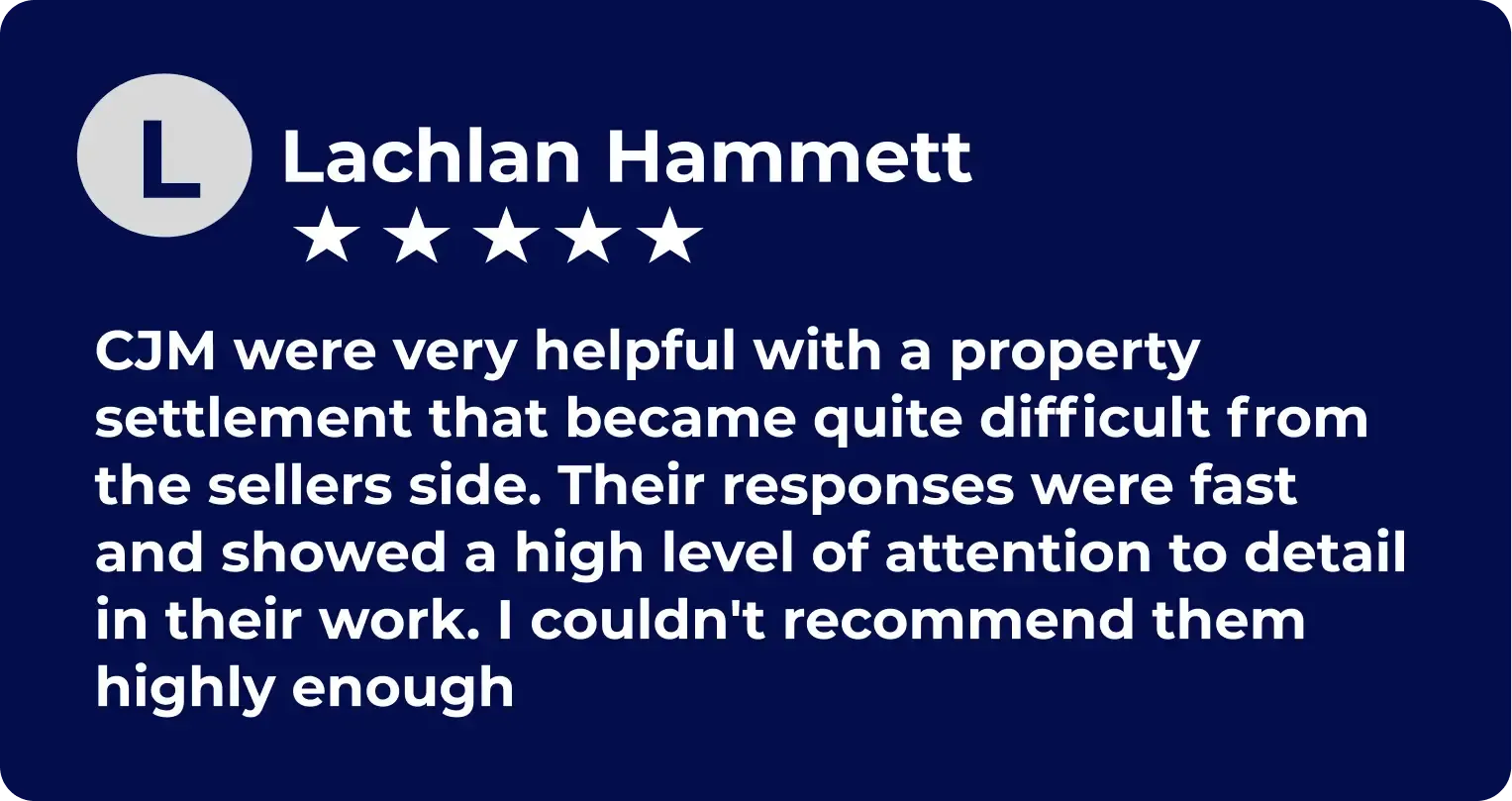
very helpful
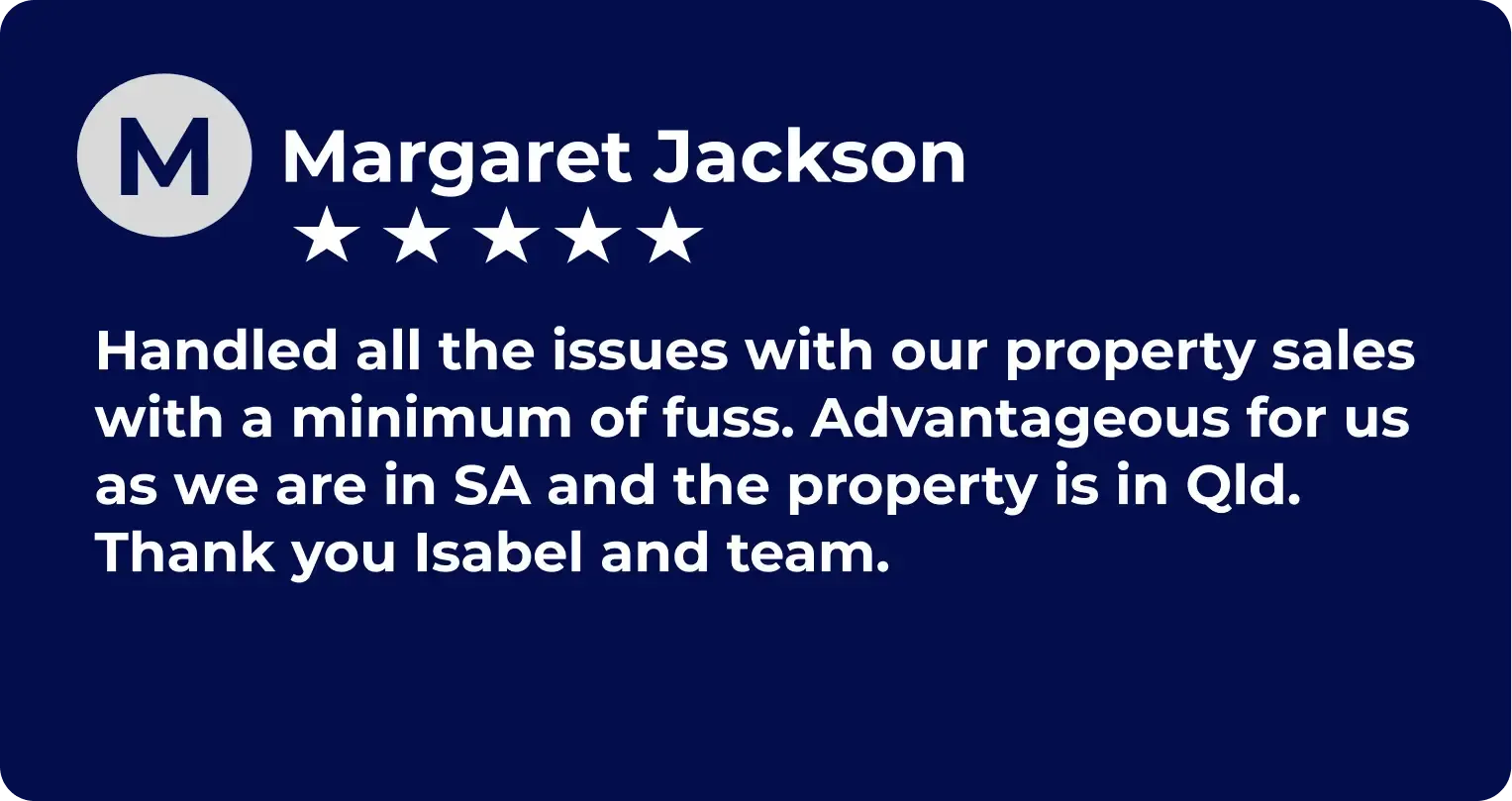
Handling issues