Five Legal Essentials Every Equine Business Should Have in Place
This is a subtitle for your new post
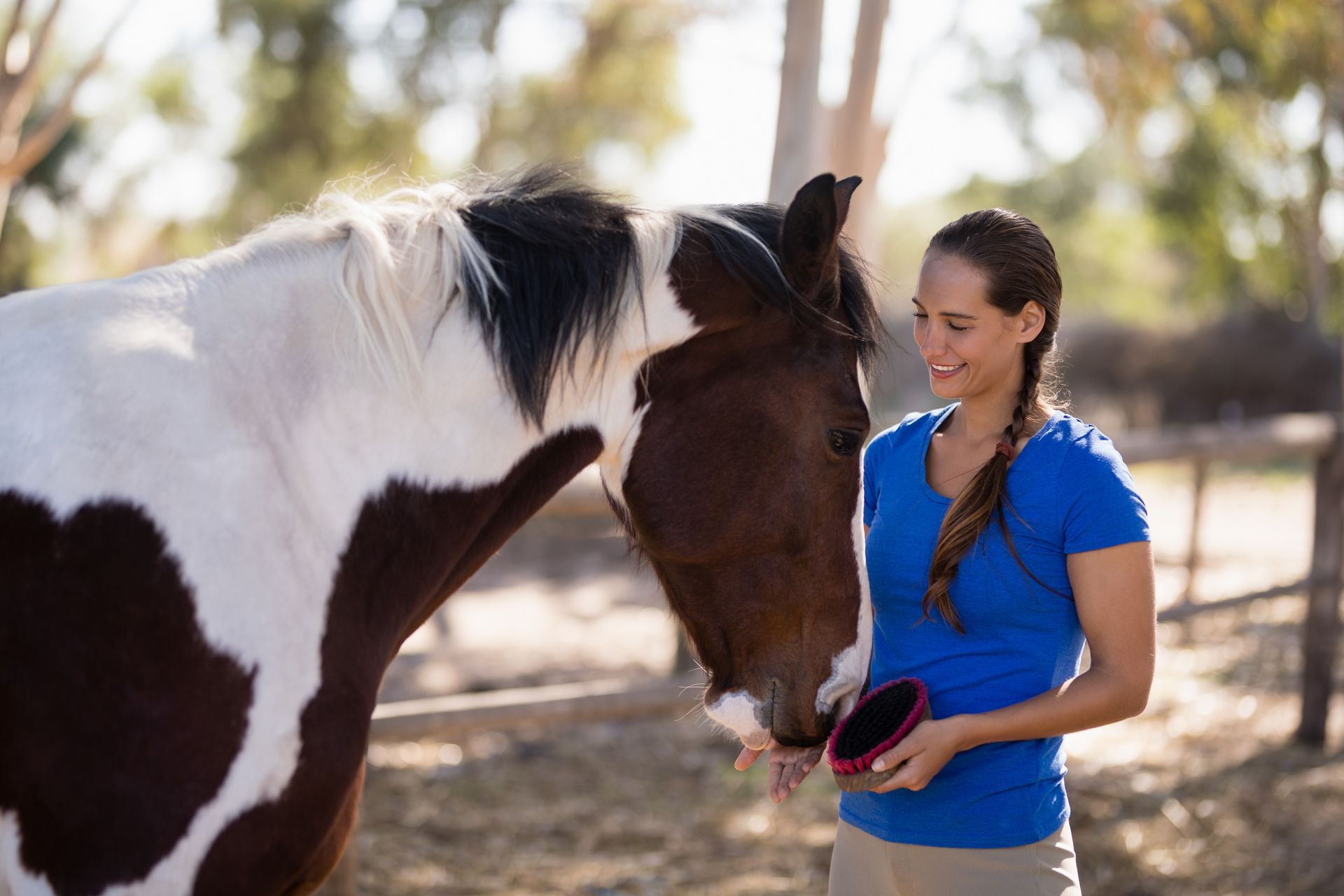
Running an equine business involves legal risks as well as the day-to-day care of horses and clients. Whether you operate a riding school, agistment property, breeding program, horse training business, transport service or equestrian facility, the right agreements, safety procedures and business protections can help reduce disputes and protect the people and horses in your care.
The right documents and procedures will depend on how your business operates, but the following five essentials are a practical starting point for reducing uncertainty and managing common risks.
1. Written Agreements for Your Equine Business
Verbal arrangements can leave important details open to disagreement. A written agreement should clearly explain the service being provided, fees and payment terms, each party’s responsibilities, cancellation or termination rights, dispute processes and what happens if circumstances change.
The terms should be tailored to the business. An agistment agreement may need to address feed, veterinary treatment, emergency authority, access, overdue fees and abandoned horses. A training, sale, lease, breeding or transport agreement will involve different risks. Templates copied from another business or downloaded online may not reflect your services, location, legal obligations or unique circumstances, limiting their ability to address your specific risks.
2. Safety Policies and Risk Procedures
Horses can be unpredictable, and equine workplaces may expose workers, clients, volunteers and visitors to risks including falls, kicks, bites, vehicles, machinery and unsafe facilities. Businesses should identify hazards, assess risks, implement suitable controls and review those controls regularly.
Practical records may include safety inductions, safe work procedures, incident reports, emergency plans, horse suitability assessments and rules for helmets, supervision and facility use. A waiver or acknowledgement of risk, and safety signage may support this framework, but it should not be treated as a substitute for meeting work health and safety and other legal duties.
It is highly recommended for equine businesses to take out appropriate insurance cover to protect their operations. Generally, your insurer will want to review copies of your agreements and safety policies and plans. We have experience working alongside clients to ensure their safety documents are compliant with those requirements.
3. Clear Employment and Contractor Arrangements
Equine businesses often engage employees, casual workers, instructors, riders, farriers and other contractors. Calling someone a contractor does not necessarily make them one – the way the arrangement works in practice also matters. Since the Closing Loopholes reforms there is a statutory “whole of the relationship” test for characterising employment. If a worker is incorrectly treated as a contractor, the business may become liable for unpaid wages, leave, superannuation and penalties.
Written employment or contractor agreements should set out the role, payment, hours or deliverables, use of equipment, confidentiality, intellectual property, insurance requirements and how the arrangement may end. Businesses should also keep required employment records and review whether workplace laws, awards and workers compensation obligations apply.
Having your staffing arrangements assessed early can also help identify any discrepancies and potential exposure points before a claim is made or years of back-payments become due.
4. Appropriate Insurance and Asset Arrangements
Insurance should be reviewed against the activities the business actually undertakes. Depending on the operation, relevant cover may include public liability, professional indemnity, workers compensation, property, motor vehicle, care, custody and control of horses, business interruption and cover for specific events or activities. Specific insurance policies can be taken out over horses themselves, and in some circumstances, you may require your clients to hold insurance over horses in your care. An overall risk assessment of your business is useful in determining which avenue is most practical for you.
Business owners should understand exclusions, disclosure obligations and any conditions attached to cover. Ownership and use of valuable horses, vehicles, equipment and facilities should also be documented, particularly where assets are personally owned, leased to the business, shared with another operator or held through a separate entity.
5. Record-Keeping, Privacy and Continuity Plans
Good records can be critical when a payment, injury, horse condition or service is disputed. Keep signed agreements, invoices, attendance and staff records, horse care instructions, veterinary authorities, incident reports and important communications in a secure and organised system.
Equine businesses that collect personal information should check whether privacy laws apply to them. Even if an exemption is available, personal information should be collected, stored, accessed and disposed of carefully, with these practices documented in an appropriate privacy policy and, where relevant, the business’s terms and conditions. Businesses should also have a continuity or succession plan identifying who can make urgent decisions, access records, care for horses and keep the business operating if an owner or key person is unavailable.
When Should These Documents Be Reviewed?
Legal documents should be reviewed when the business adds a new service, changes premises, hires staff, takes on contractors, begins holding horses for clients, purchases major assets or changes its business structure. A review may also be needed after an incident, dispute or insurance change, or when legislation affecting the business is updated.
How CJM Lawyers Can Help
CJM Lawyers can review how your equine business operates and prepare practical legal documents tailored to your services and risks. Our equine law services include client agreements, agistment and horse-related contracts, employment and contractor arrangements, business structures, property and asset agreements, risk documentation and dispute resolution.
If your equine business relies on informal arrangements, borrowed templates or documents that no longer reflect how you operate, contact CJM Lawyers to arrange a legal review. Putting the right foundations in place now may help prevent misunderstandings, protect valuable relationships and make future issues easier to manage.
Disclaimer: This article provides general information only and does not constitute legal advice. The information may not apply to your circumstances and should not be relied on as a substitute for tailored legal advice. If you need advice, please contact CJM Lawyers to speak with one of our legal professionals.
Contact Us Now!
For comprehensive legal services,
book now for your free initial consultation.
Contact Us
We will get back to you as soon as possible.
Please try again later.


Contact Us Now!
For comprehensive legal services,
book now for your free initial consultation.
Contact Us
We will get back to you as soon as possible.
Please try again later.


Our Latest Story



Our Latest Story
Our Latest Story
Our Client Say


Our Client Say
Our Client Say