
Sunset Clauses Under the Spotlight: A Win for Off-the-Plan Property Buyers
This is a subtitle for your new post
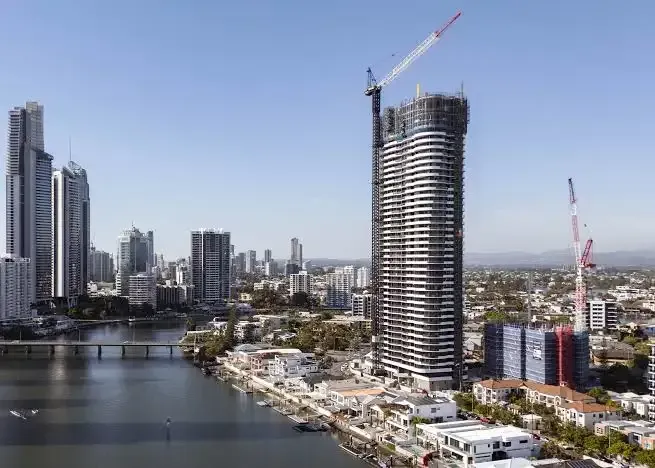
Bought off-the-plan and the developer is trying to cancel your contract? Don’t assume it’s the end of the road.
Buying property is exciting, but buying off the plan comes with a unique risk: you are committing to a home or investment before it has been built. If completion is delayed and the developer later tries to walk away from the contract, buyers can be left uncertain about their rights, their deposit and the property they hoped to secure.
That issue was recently considered by the Queensland Supreme Court in a case involving Chevron One Apartments on the Gold Coast, Queensland. CJM Lawyers acted for one of the purchasers in successfully disputing the developer’s right to terminate. The Court declared the contracts valid and binding, reinforcing an important message for buyers: if you receive a termination notice, it is worth getting legal advice before assuming your contract is over.
What Is an Off-the-Plan Property?
An off-the-plan property is a property purchased before construction is complete. Instead of buying an existing apartment, townhouse or home, the buyer enters into a contract based on plans, specifications and development documents.
This type of purchase can appeal to buyers who want to secure a property early, plan a future move, arrange finance over time or invest before a project is complete. However, because construction and registration can take months or even years, off-the-plan contracts often include strict timelines and conditions that buyers need to understand before settlement.
What Is a Sunset Clause?
A sunset clause sets a deadline for important steps in a development to be completed. In an off-the-plan contract, this may include registration of the plan, creation of title, completion of construction or settlement.
If the deadline passes and the required steps have not happened, the contract may give one or both parties a right to end the contract. However, that right is not always automatic – especially where a developer is relying on the clause to cancel the contract. The wording of the contract, the reason for the delay and any relevant legal requirements all need to be carefully considered.
A Recent Win for Property Buyers
CJM Lawyers recently acted for one of the purchasers in Supreme Court proceedings concerning the Chevron One development on the Gold Coast.
The purchasers had entered into off-the-plan contracts in 2021, with settlement to occur by dates set several years later. When those dates passed, the developer sought to end the contracts.
The buyers refused to accept the terminations and took the matter to the Supreme Court. CJM Lawyers acted for one of the purchasers in successfully disputing the developer’s right to terminate.
The Queensland Supreme Court declared the contracts valid and binding. Critically, the Court found no basis for allowing the developer to benefit from its own breach of contract. The developer's attempt to point to pandemic-related supply chain disruptions as justification for termination was also rejected.
What Should Buyers Do If a Developer Tries to Terminate?
If a developer sends you a sunset clause termination notice, do not assume your contract is over. Whether the termination is valid may depend on the wording of the contract, the reason for the delay, the timing of the notice and the steps taken by each party.
You should seek legal advice as soon as possible if your development has experienced lengthy delays, you have received a termination notice, a developer is relying on a sunset clause, or you are unsure whether your contract is still binding. Getting advice early can help you understand your rights before you accept a refund, sign documents or make decisions that may affect your legal position.
How CJM Lawyers Can Help
CJM Lawyers can assist buyers with off-the-plan property disputes, sunset clause issues and proposed contract terminations. Our Litigation team can review your contract and supporting documents, assess whether a termination is likely to be valid, explain your options, negotiate with developers and represent you in court proceedings where necessary.
If your developer is trying to cancel your off-the-plan contract, speak with CJM Lawyers before accepting a refund, signing further documents or walking away from a property you still want to secure.
Disclaimer: This article provides general information only and does not constitute legal advice. The information may not apply to your circumstances and should not be relied on as a substitute for tailored legal advice. If you need advice, please contact CJM Lawyers to speak with one of our legal professionals.
Contact Us Now!
For comprehensive legal services,
book now for your free initial consultation.
Contact Us
We will get back to you as soon as possible.
Please try again later.



Contact Us Now!
For comprehensive legal services,
book now for your free initial consultation.
Contact Us
We will get back to you as soon as possible.
Please try again later.


Our Latest Story



Our Latest Story
Our Latest Story
Our Client Say



Our Client Say
Our Client Say